

I took the Gautrain from the airport. At the airport, the crowd waiting on the platform was over 3/4 white. By the time I got to the street outside the train station in central Johannesburg, everyone in sight was black (except for one white bus driver).
My Uber driver called and had me meet him away from the station to make sure he wasn’t attacked by taxi drivers. I arrived at my hotel at 10:00 in the morning on Wednesday. My last night sleeping in a bed was Sunday. Gratefully, my room was ready. I showered, put on clean clothes, and headed to the Apartheid Museum, which is eight kilometers outside town.
Before coming to South Africa, I read a lot about its history, but also about the history of racism in the United States. South Africa and the USA are probably the countries with the most oppressive histories towards people of African heritage. It was a powerful experience to witness the harshness of the apartheid system and the struggle to end it.
In purchasing your ticket, you are randomly classified as either ‘white’ or ‘non-white.’ There are separate entrances for each group and you are kept apart for a while, looking at examples of the passes that South Africans were once required to carry.
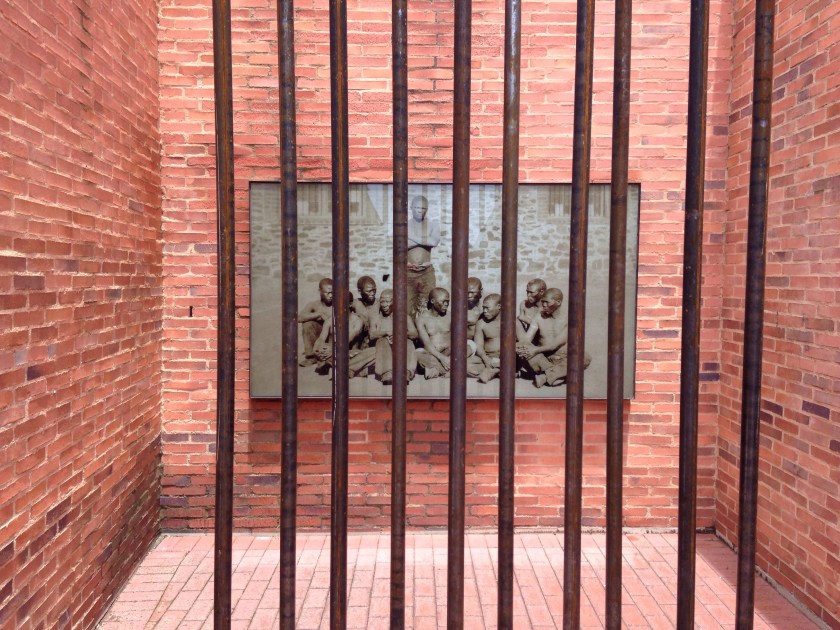
The end of apartheid was hopeful and, I thought, peaceful, but the peaceful part isn’t true. 14,000 South Africans died from political violence between the start of negotiations in 1990 and the first free elections in 1994. This is more than four times the number who were killed in the Apartheid Era before then.
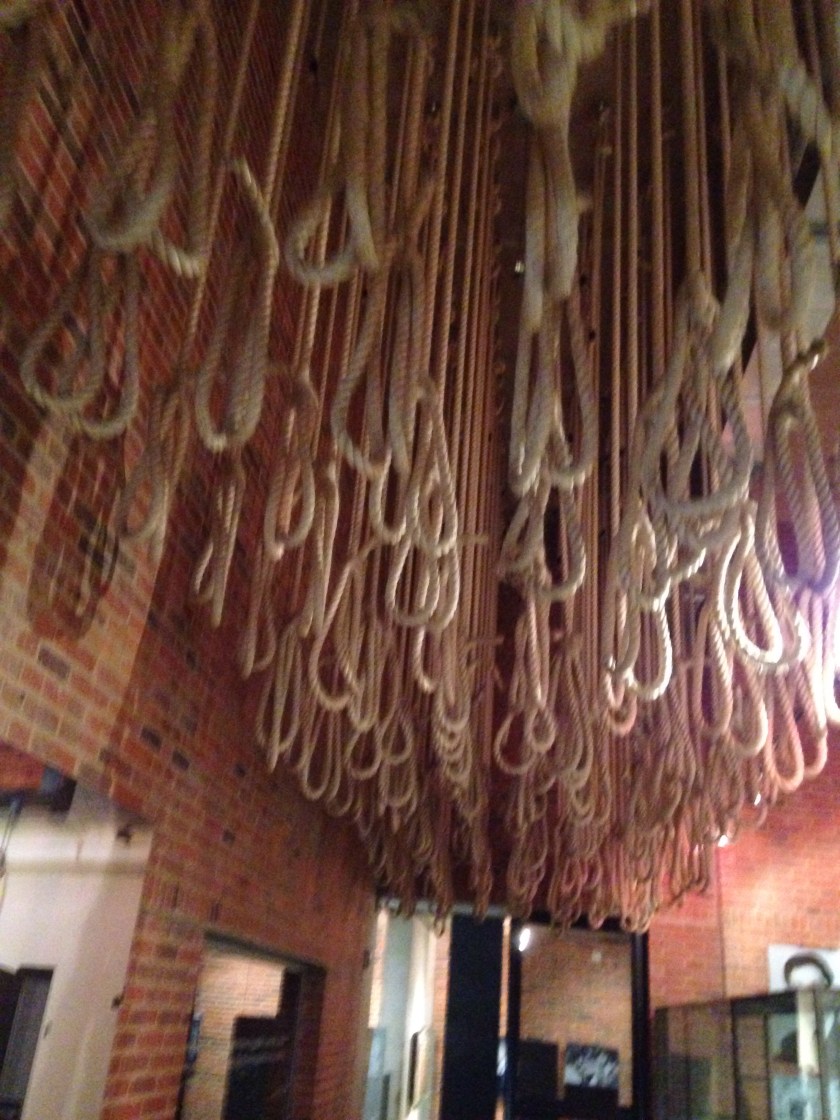
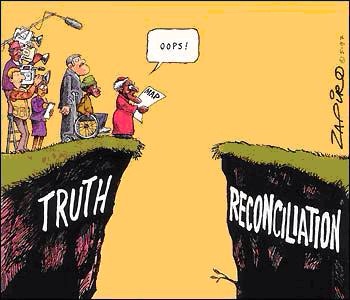
I sat and watched long sections of testimony before the Truth and Reconciliation Commission, hearing from both the abused and the abusers. I don’t know how effective it was in healing the effects on racism, but I found it very relevant since the United States is still in the midst of this process 150 years after the end of slavery.
 Apartheid was largely concuuent with my life. It was instituted ten years before I was born. While at Oberlin College, I attended a sit-in at a meeting of the board of trustees. We were trying to get the school to divest from companies doing business in apartheid South Africa. (There is a large sign on the building across from my hotel about divestment from Israel.) I went to hear Mandela speak at the Oakland Colleseuim when he came to the USA to thank people for their help in ending apartheid. That day he spoke about solidarity with Native Americans. Blacks in South Africa lost their land to white colonizers, akin to Native Americans in North America.
After viewing the exhibits, I walked around the museum grounds. I love tasting the air when I first arrive in a new land. Because I took the train directly from the airport, I missed that moment on arrival. But on the museum grounds I was able to drink in the flavorful air and finally got the sense that I was here, in summer in southern Africa.
The Apartheid Museum is adjacent to an amusement park. I also got to hear the screams of people in a roller coaster, visible above a huge photograph of Madiba.
The visitors to the Apartheid Museum were overwhelming white. The museum staff were entirely black.
 No Foreign Lands