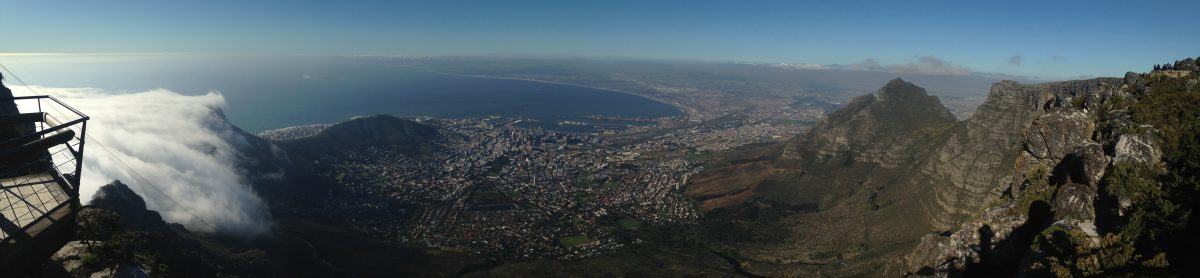
On Monday, I visited Penryn College, a Round Square school in Mbombela (formerly known as Nelspruit). The Penryn student body looked to be over 60% black. I think that many of these students are from other African countries. Mozambique, which is very close, is apparently booming with lots of Chinese investments coming in. Mbombela/Nelspruit is the fastest growing city in South Africa.
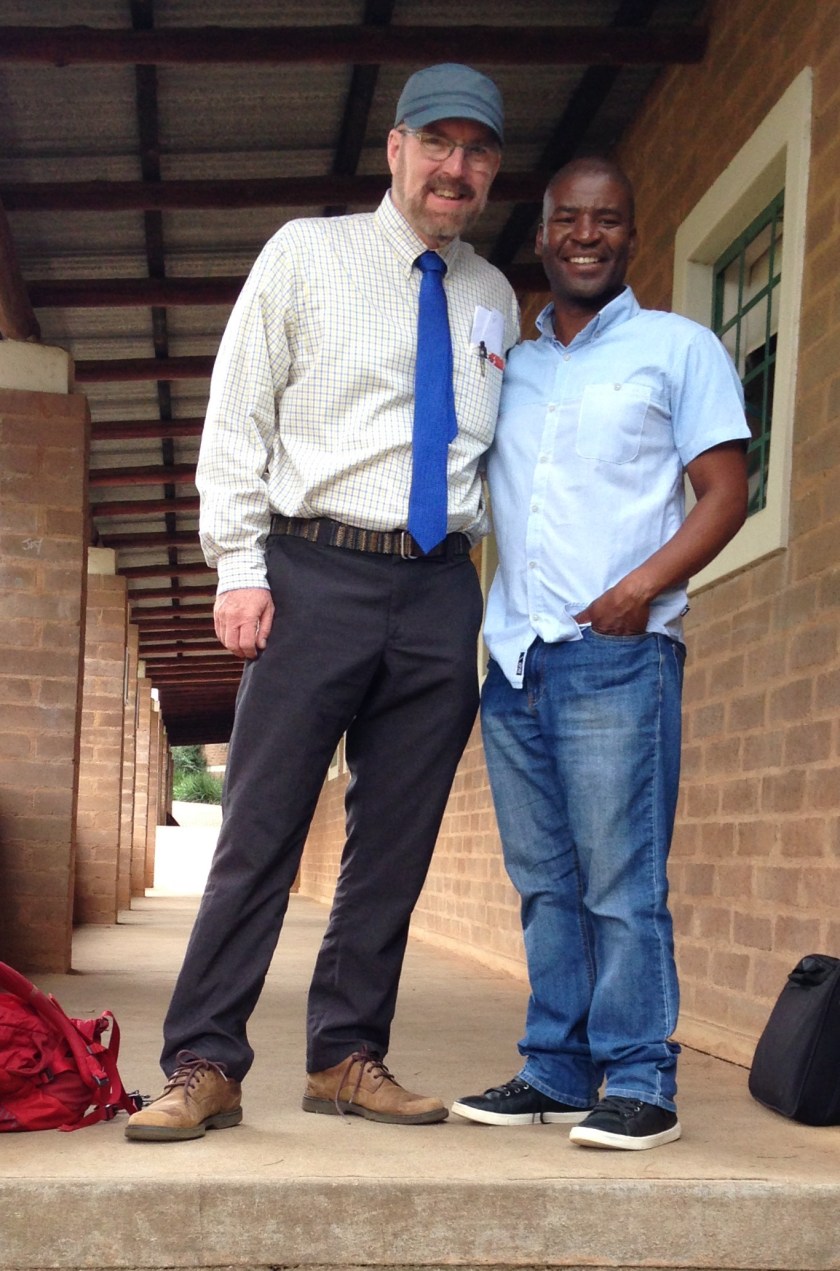 At Penryn, I sat in on a drama class. The students were working in small groups developing brief plays. The play had to address a problem in modern South Africa (such as income inequality, the oppression of women or corruption) and had to do it using post-modern theatrical techniques. In one play, the students were the admissions committee at a university. Jacob Zuma’s child had applied and had very poor marks; however, the committee members had all been paid a bribe and so his child was admitted. A colored student was admitted to diversify their student body. A white student with outstanding marks and accomplishments applied. The admission committee in unison chanted REJECTED!
 I am in the White River area for ten days scouting out a service-oriented Athenian School trip I hope to lead next year. Round Square organized service projects in this area for several years and my host is the local woman that Round Square worked with, Lis Macintosh. Liz is white and from Zimbabwe, having left soon after the country gained its independence with Robert Mugabe as its leader. A big topic in South Africa is land redistribution. The ANC is looking to amend the constitution to allow land redistribution without paying the current owner. Liz and a friend were talking about this last night, reassuring themselves that South Africa would not become another Zimbabwe.
Liz has a black colleague, Neeto, and he gave us a tour of some local townships on Wednesday. The local townships are far from Mbombela. You’ll be driving along in the middle of a fully rural area miles from the nearest town. You go over a hill, and boom. There is a sprawling township where hundreds of thousands of blacks live.
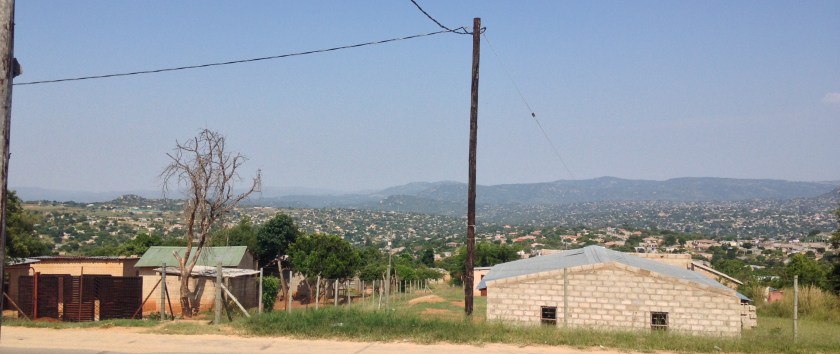 Neeto said that older blacks think that conditions were better under apartheid than under the democratically-elected ANC government. I asked him how this could be. He said that the levels of corruption were so high that there was less money to spend in the townships now. I said that it seemed that if that was true they should change the government. He said that wouldn’t make any difference because all politicians are the same. This is a black man who has been very successful. He was recently honored as the Entrepreneur of the Year in Mpumalanga province. Yet, he feels hopeless and powerless.
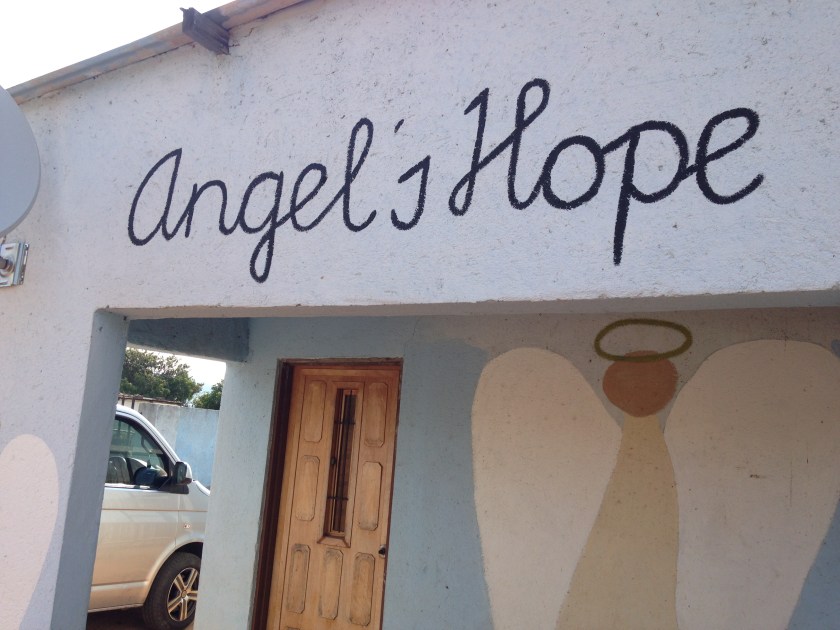 Neeto took us to an orphanage that he and Liz support named Angel’s Hope. The orphanage has 14 children and is run by Mary and her husband, Jacobus. Jacobus was sitting with his feet raised and told us his doctor said he should rest. I assumed he had some injury to his feet. As we drove away, Neeto reported that Jacobus had kidney failure. Neeto continued: ‘In South Africa, if you don’t have money, you die.’
The next day Liz and I visited several schools where Round Square students have built classrooms. It was a treat to see these facilities being used. Athenian students participated in all of these projects and it was inspiring to imagine them working here. For one school, the new classrooms transformed the school. The improved facilities allowed the school to attract more students and white teachers and the white teachers attracted still more students. The school had 300 students when Round Square build the classrooms a few years ago. Now the school has 900 students.
 Class size for most government schools in South Africa runs from 45 to 90 students. A ranking of education systems by the Organization for Economic Co-operation and Development (OECD) placed South Africa 75 out of 76. In other words, South Africa ranks behind many poorer nations. For example, in Tanzania only 4% of students who have completed six years of schooling can’t read. In South Africa, the figure is 27%!
 No Foreign Lands