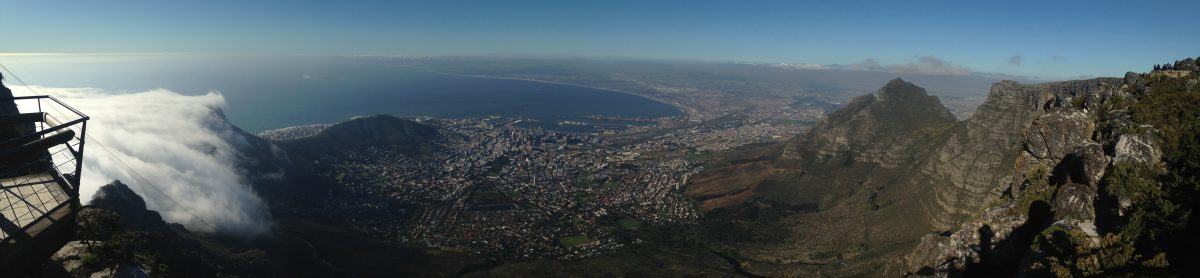
It’s Sunday at Ken and Joy’s house. They live in New Kasama, a well-to-do neighborhood over the hill from the Bauleni compound. Ken and Joy have adopted two sisters from the compound who were regulars at Appleseed: Jenny is 10 and Lucy is 8. Both of Jenny and Lucy’s parents are dead, and they have a younger sister who died a couple of years ago. Jenny has sickle cell disease and was not getting treated. Ken and Joy stepped in when Jenny almost died. With the blessings of the girls’ family—their grandmother lives four doors from Appleseed–Ken and Joy legally adopted Jenny and Lucy. The girls now realize that Ken and Joy are ‘our real parents forever and ever.’
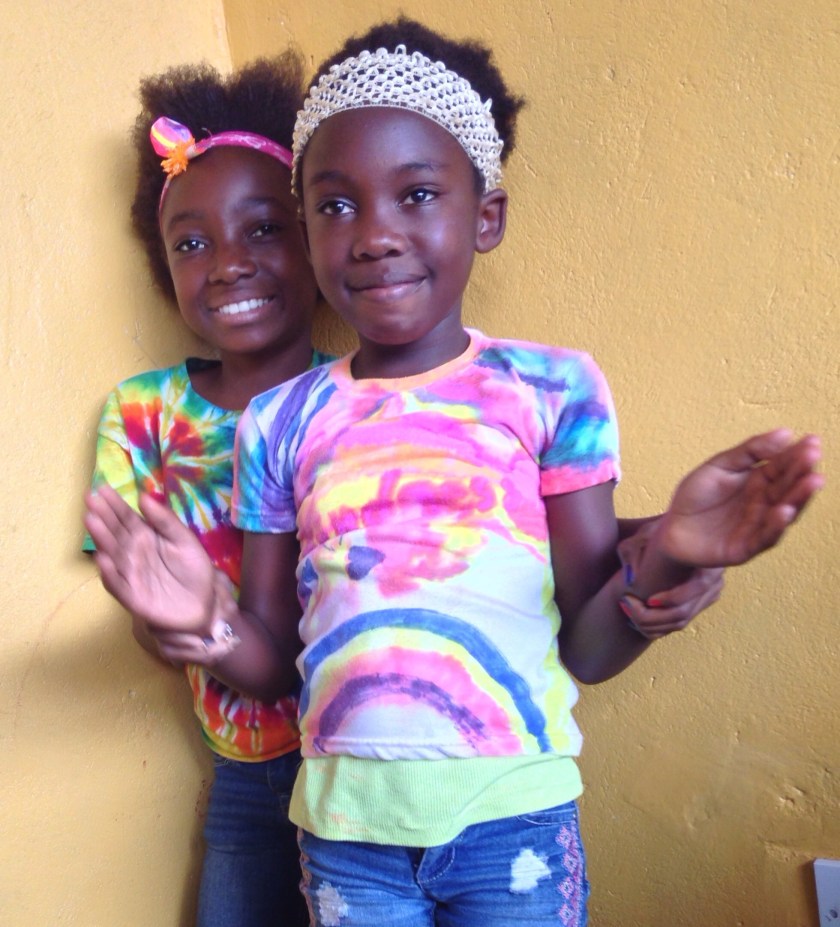
Jenny and Lucy have a leg in two worlds. Their parents are white teachers from the United States and they attend the American International School of Lusaka, probably the most expensive school in Zambia. And Jenny and Lucy are fully of Bauleni. Their friends are mostly from the compound and they are fluent in Bembe and Nyanja.
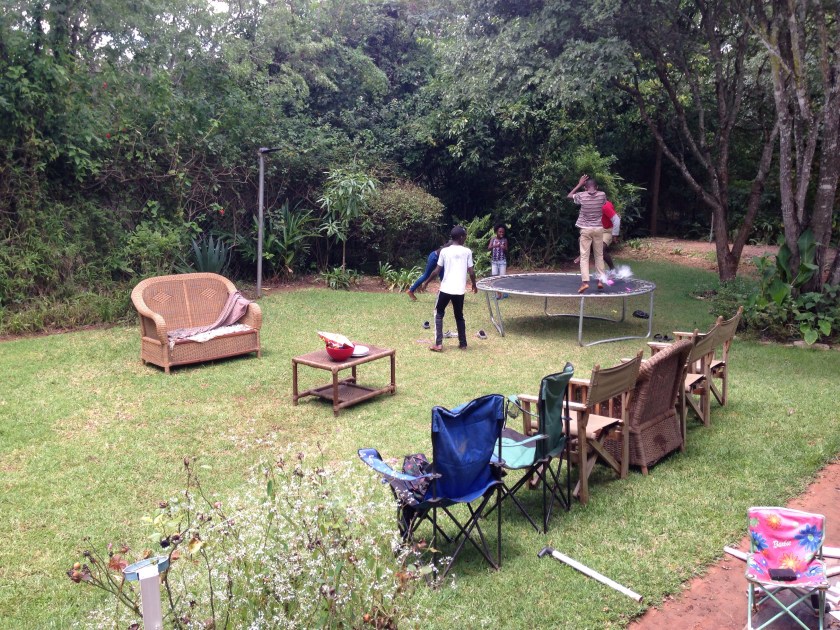 It’s Sunday and there are ten children over to play. Some are Appleseed children from the compound who called and asked if they could come over. Ken and Joy said no to some children who wanted to come, but who are not really Jenny and Lucy’s friends and just wanted to be at the house. There are also neighborhood children, some of whose families are squatting in a big abandoned home about 100 meters up the hillside. The building was being constructed when Zambia had its first transfer of power a few years ago–and constructed stopped.
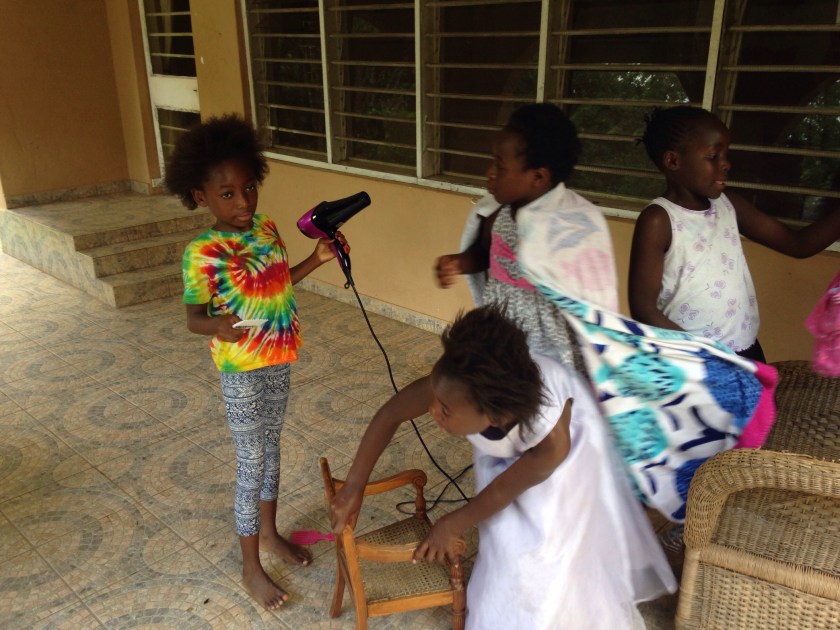
Jenny and Lucy’s house has luxuries not found in the compound. The grassy yard here at the house is a nicer park than can be found there. Most people in the compound do not have running water and the folks who are squatting up the hillside must walk a kilometer into the compound to get water. Jenny and Lucy have running water. Both yesterday and today they played a hair parlor game with their friends where the girls wash each other’s hair under a running hose. Did I mention that Jenny and Lucy have a trampoline?
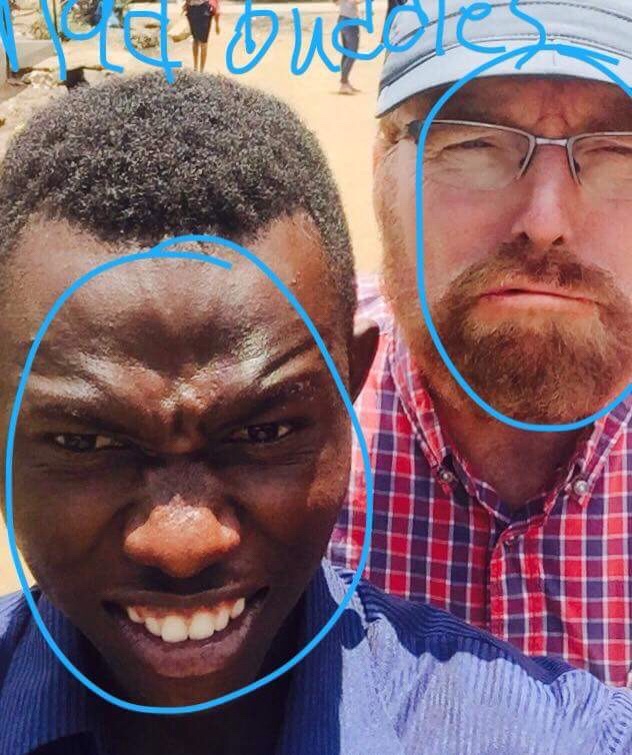
There are also four sweet young men that are at the house today: Paul, Isaac, Patrick and Jimmy. They were Appleseed kids and now work there. Paul and Isaac spent Saturday night sleeping on sofas in the living room. The men are hanging out, using the wifi, watching television, and doing laundry. I didn’t realize that there would be a crowd coming over to do laundry today and so put a load in the washing machine. Some of the young men are doing their laundry by hand, but that is much easier here because of the running water.
The other complication with water is that there has been an outbreak of cholera in Lusaka and Zambia. There have been about 3,000 cases nationwide and 70 deaths. Water from the local water system is not considered safe to drink. The municipality brought a half-dozen huge green water tanks into the compound for people to get water from, but this means walking to the tank and waiting in line to fill a container or two.
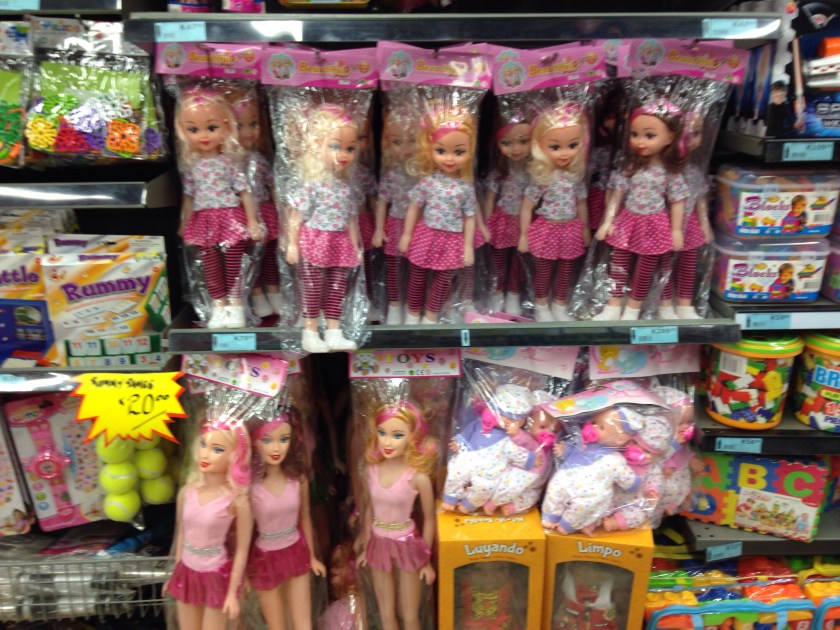
This afternoon, Ken, Joy and I went to Pick n Pay to do the grocery shopping for the week. Our shopping cart full of food cost a little over 1,600 Zambian kwacha, which is about US$160. This seems reasonable–until you look at local salaries. The American International School pays for a security guard 24/7 at all foreign teachers’ homes, including Ken and Joy’s. The guard makes 1,100 kwacha a month for working six 12-hour shifts each week.
Ken and Joy have two half-time gardeners, who they each pay 700 kwacha a month (more than the going rate). Ken and Joy told the gardeners that they would need to find new jobs in about a year. One of them has taken a full-time job working for another faculty member at the American International School. That family is paying 800 kwacha a month, so it’s barely more than Ken and Joy were paying for half-time work. Moreover, the other teacher lives 15 kilometers from here, so the gardener needs to move himself and his family to be close to the new job. The man was desperate to make sure he didn’t find himself with no income. Ken said that the unemployment rate in the compound is 70%.
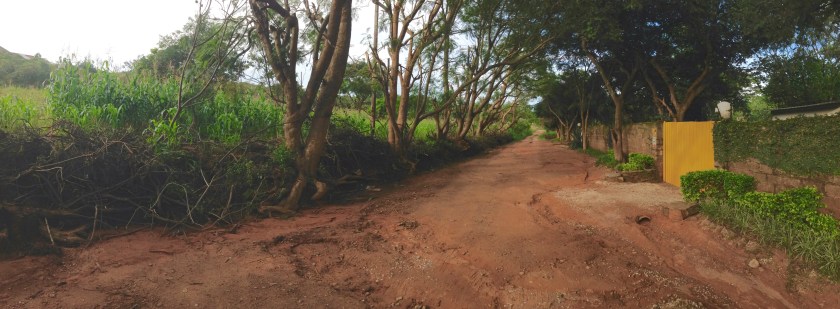
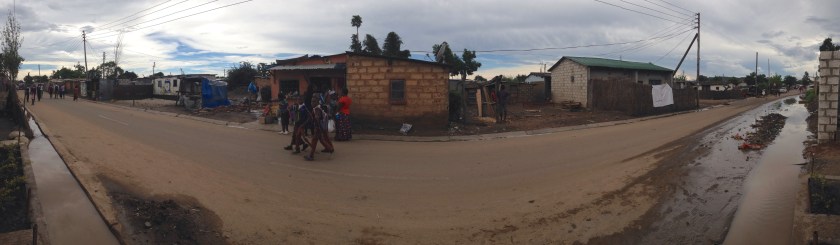
When the day finally cooled off in the late afternoon, I went for a 90-minute walk. I mostly trod paths I’ve already been on–past the protective walls of the well-to-do, past the open yards and corn fields of those with less to lose, and through the compound. As always, the compound was buzzing with people. Over 22,000 people live there now. It was 14,000 people just a few years ago, but people keep moving into Lusaka from the countryside. The only paved road on my walk was in the compound. The first paved roads appeared there within the last two years. Almost as helpful as the paved roads are the large gutters, which help keep rain water out of the street and yards.
Despite the poverty, the people in the compound are almost all dressed in clean clothes in good repair. They put a lot of care into this. Many of the used clothes that get donated in the USA are shipped to places like Zambia, so you’ll see people here wearing the same t-shirts that you would find in Oakland. Where attire looks different in Bauleni is usually the shoes, which are generally clogs or flip flips–or no shoes at all.
I arrived back at Ken and Joy’s as dusk was starting to fall. All the guests had gone home. No shrieks of joy from children playing and the clothes line and dryer were finally free.

 Appleseed has gone through several iterations in the seven years since Joy and Ken founded it. It is currently a community center where young people and young adults hang out, borrow books, and study. Elementary school here runs from either 8 to 12 or 12 to 4, so students are hanging out half the day. Government school class size is 55-60 students, sometimes up to 90, so there is a big need. And lots of young people don’t even attend school.
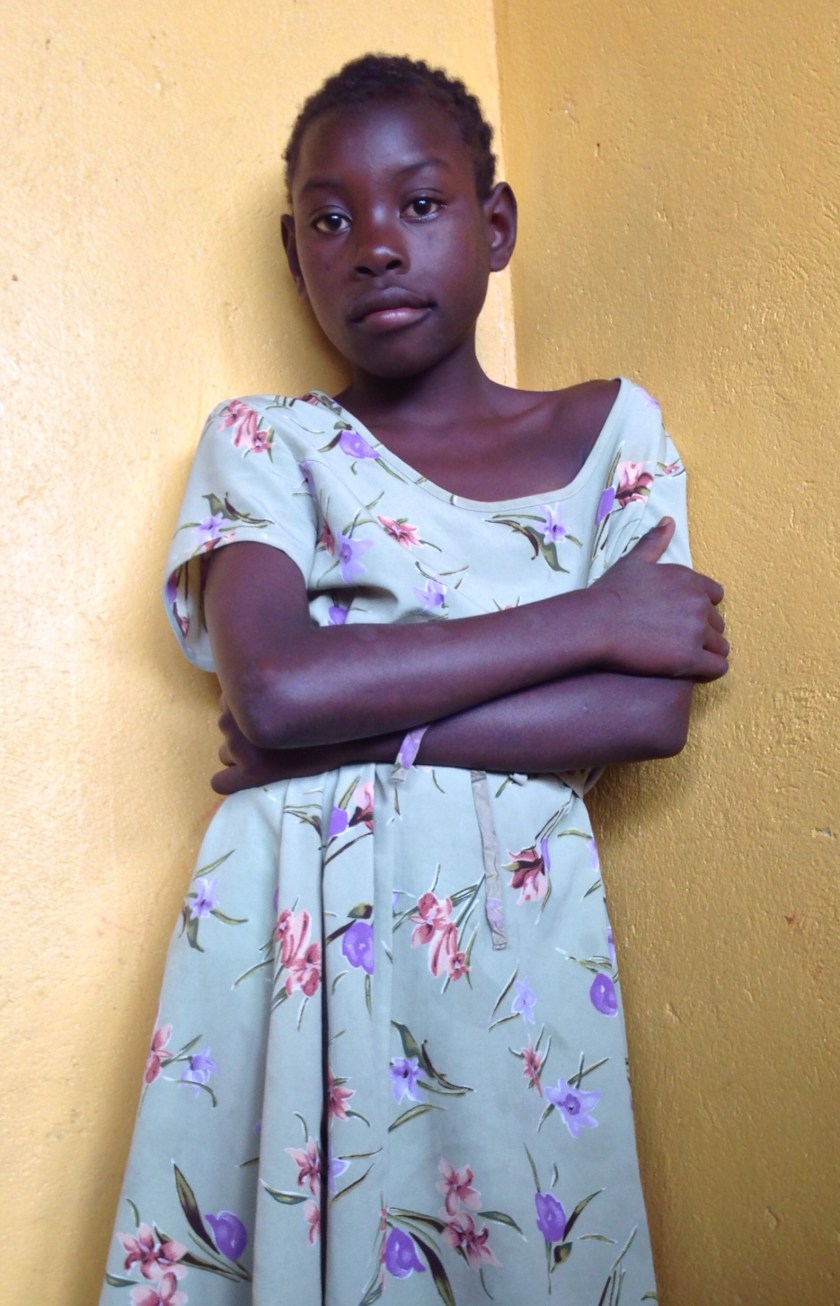 Appleseed has a large library. Most of the books seem to be cast-offs from the American International School. As a result, the books are what you’d find in many homes in the USA, including ours when our daughter was a child. This means that most of the books do not reflect the lives of the young people of Bauleni, both in who is depicted or in the conditons of their daily lives.
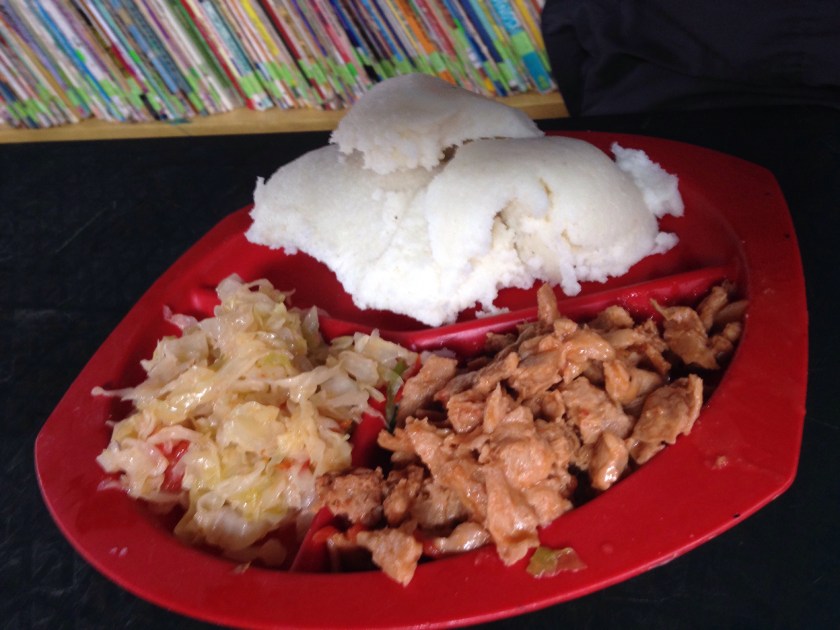 When I chat with the young people, I sometimes ask what they had for breakfast. The answer is usually nothing or tea. Athenian students have been raising money for Appleseed for six years and this money has gone to fund the meal program. I’ve been there four days and the lunch is always a mountain of nshima (a corn meal dish like Tanzania’s ugali or South Africa’s pap), fried cabbage, and some small serving of meat. The food is eaten by hand. Everyone eats everything on their plate.
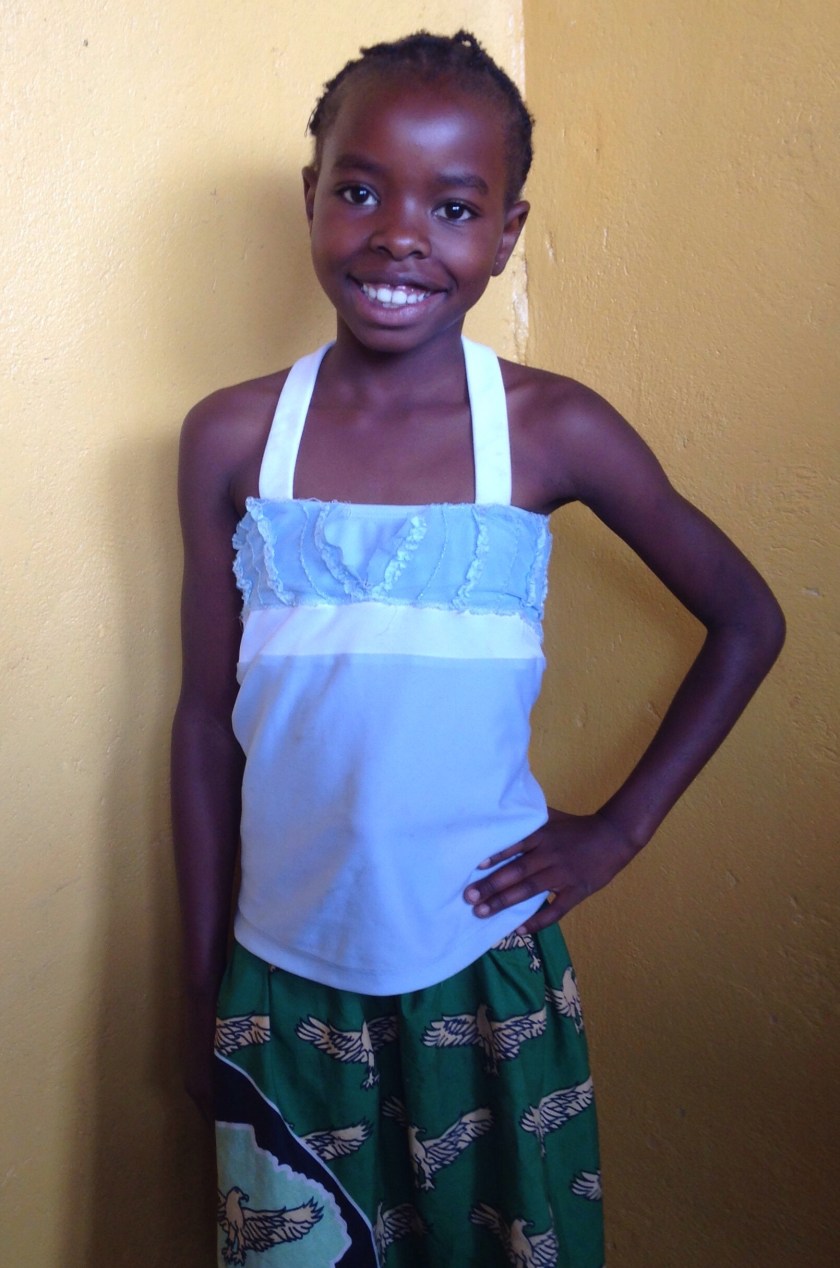 The young people I have met here are smart, vivacious and beautiful– if poorly educated. Today a group of girls asked what my daughter’s name is and sat around making cards for her. Lots of ‘love’ and hearts and ‘I want to be your best friend.’
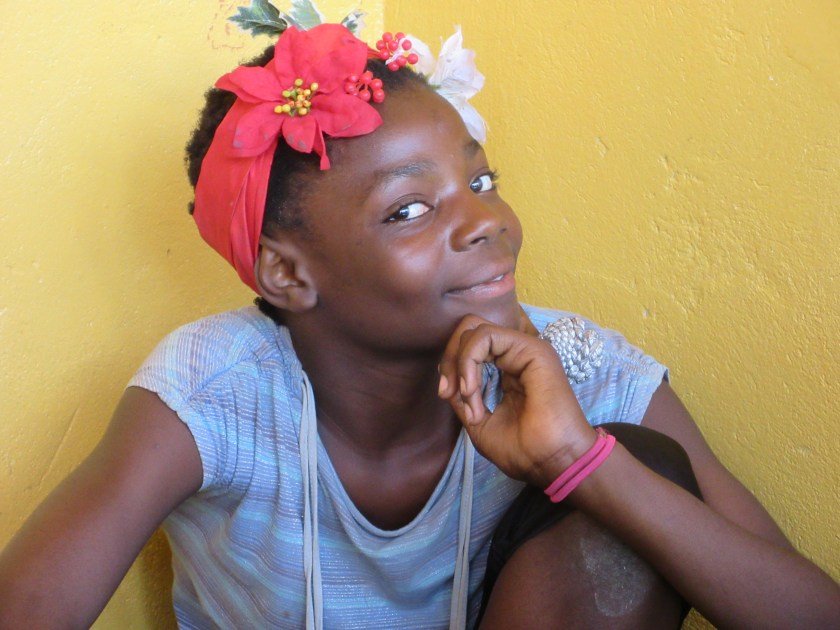 There was also one heart-breaking card to my daughter. ‘I want to come see you and prise [please] I don’t have my mother or my [father?] so I want you to take me so you a come to take me to molo [?] your hid [house?] come prise my name is Monica’
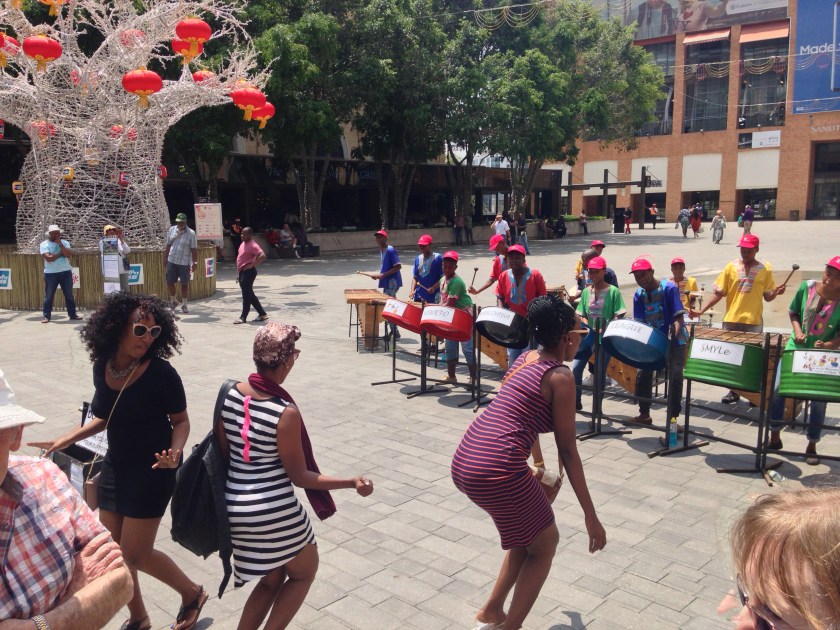
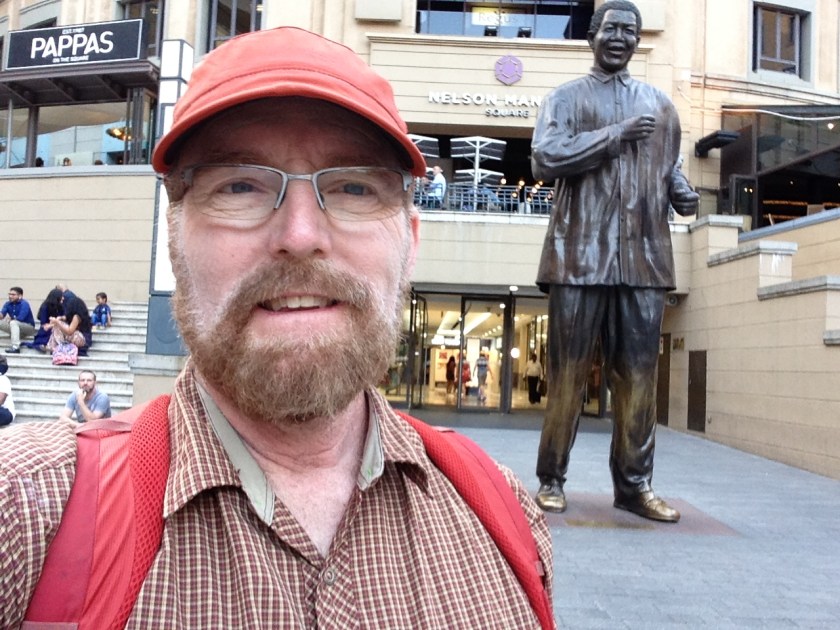 My last two days in South Africa before flying to Zambia, I spent at lot of time at Nelson Mandela Square in Sandton, a suburb of Johannesburg. Despite the lofty name, Nelson Mandela Square is a big shopping mall. Malls seem to be the centerpiece of social life in Joburg’s northern suburbs. Wandering the labyrinthine mall, seeing the variety of people walking them with me, I felt like I saw South Africa’s rainbow nation for the first time.
 As we drove along, Rona pointed out various pieces of land that were part of the farm. Actually, they have seven farms. Three have been reclaimed, post-apartheid, by the community through legal suits; however, the community ‘made a mess’ of running them. Rona and her husband were again managing those three farms, albeit paying rent to the community. They grow a lot of pine trees but are switching many fields to winter avocados. They are also experimenting with growing macadamia nuts. Their son is an agricultural chemist and he has planted some coffee.
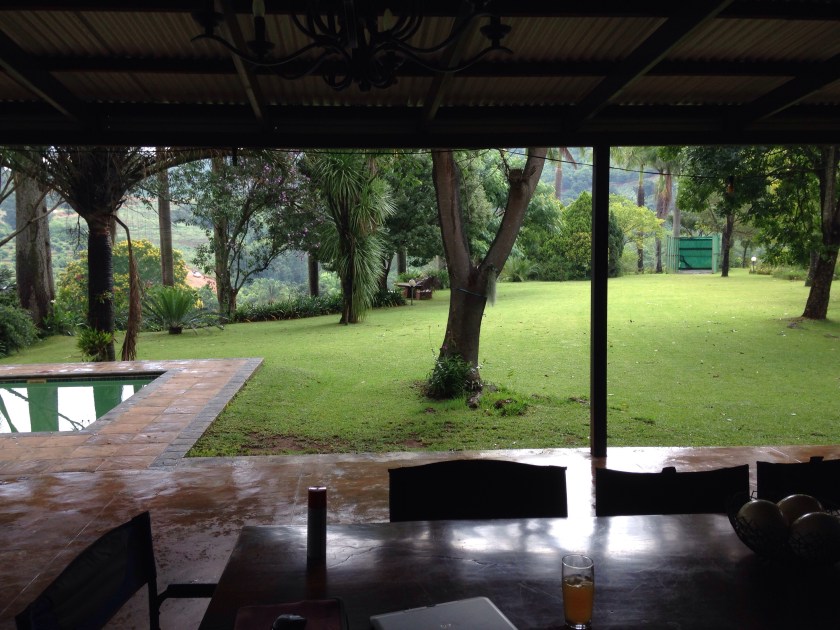 Rona and Nile have a beautiful house that seems designed for entertaining, with huge porches and patio areas adjoining a flat lawn and hot tub. Nile came home from work and then his brother came over. Nile made a fire and we sat around chatting outside for hours. Dinner was, of course, a braai.
 Jacob Zuma, the president of South Africa, resigned two nights ago. How fun to be in a nation where the corrupt President just resigned. Students stayed up late to watch his resignation speech, reminding me of when I watched Nixon resign as a teenager.
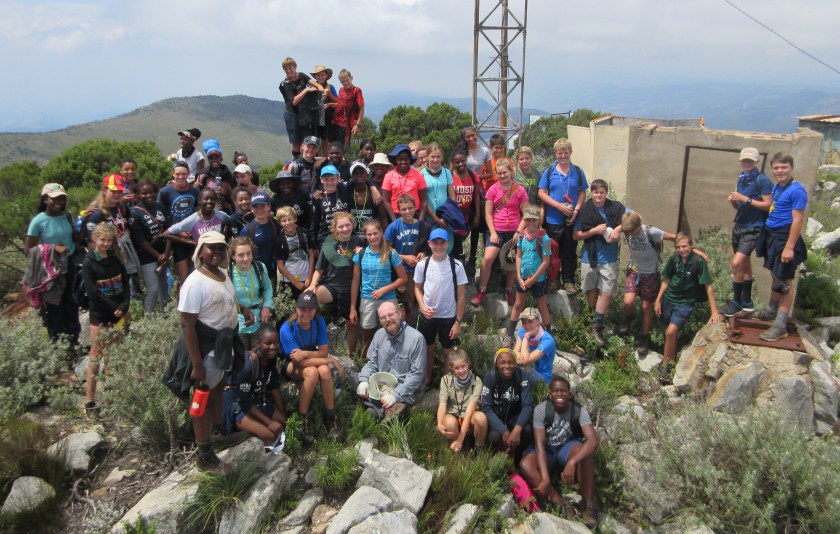
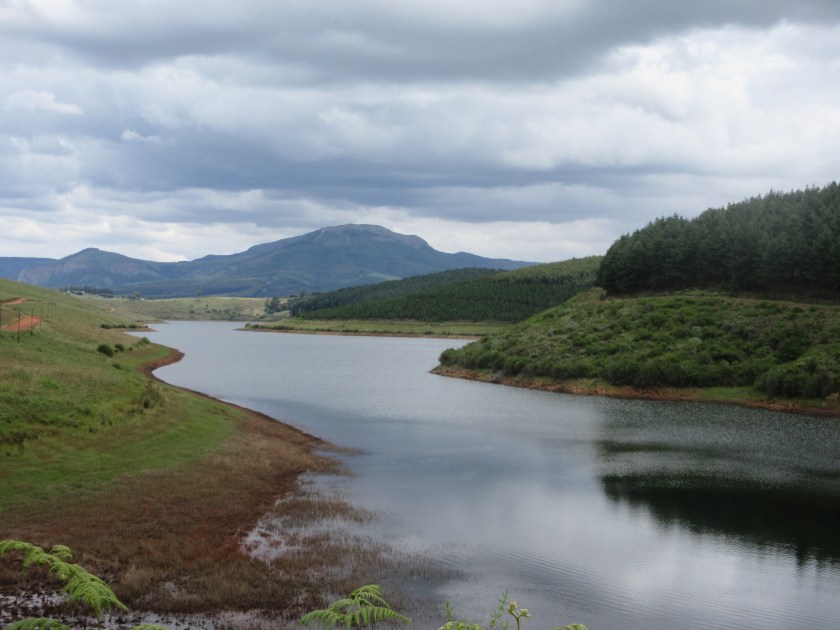 For the last three days, I accompanied the Stanford Lake year 8 students on a three-day trek. We hiked from campus, past lakes and pine farms, to a base camp on the Letaba River. The next day it was 20 kilometers and 2,700 meters in elevation up to the summit of the Iron Crown, the highest point in the Limpopo province. On the final day, we hiked back to campus.
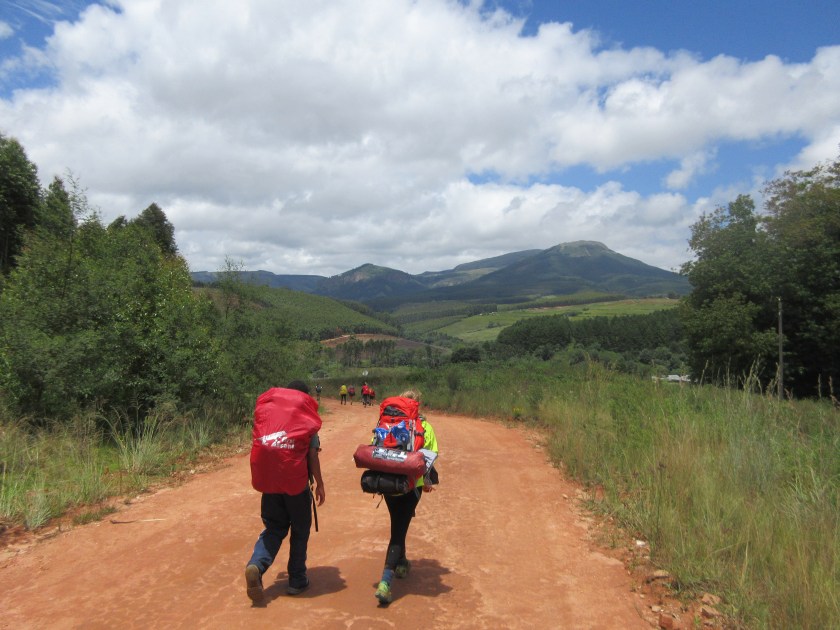 The students were carrying all their own gear, but the adults only had day packs. Our gear and food was driven into the campsite. At dinner time, the students pulled out new cannister stoves and pots. Mostly they ate freeze-dried backpacking food where you add hot water, stir and wait. The teachers started a wood fire and we had a braai. The first night we each got a steak chop and chicken wrapped with bacon. The first morning we had boerewors (derived from the Africaans words for farmer and sausage) on a bun. The second night we had steak and kebabs. Breakfast the last day? Ribs!
 The students and teachers refilled their water bottles from the rivers and streams we crossed. As long as the water was moving, every body of water was considered safe. What was remarkable to me was that the water was drunk straight from the river or creek, untreated. I put this off as long as possible, but eventually had to give in and drink the untreated water. No indications yet that I have caught some obscure African water-borne disease.
 On the day we went to the summit, I returned to camp with the last group. I put on my bathing suit and lingered for 30 minutes. I thought about how normal it felt to be swimming in a remote South African river on this beautiful afternoon–and about how the Stanford Lake teachers leading the trip didn’t have the luxury of lingering by themselves in the cool clear water.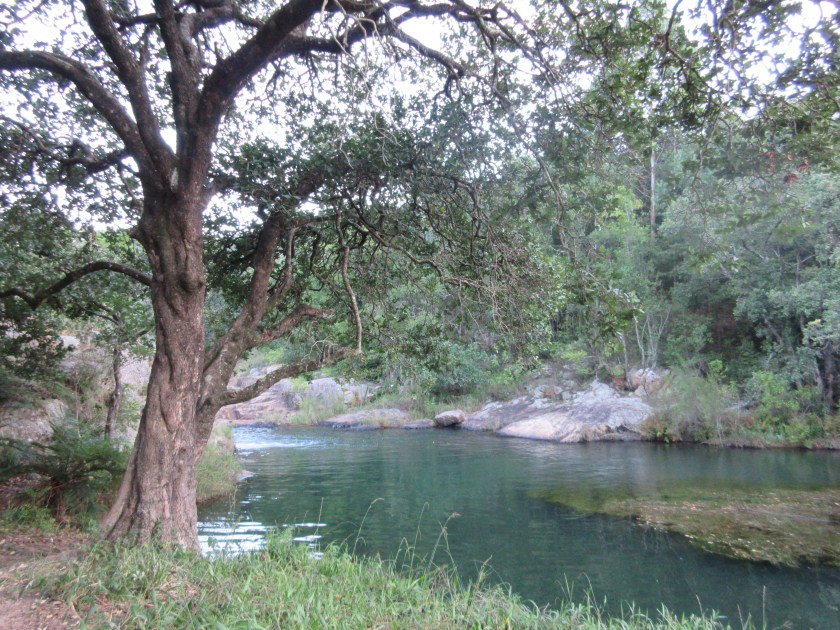

 People here are excited about the improvement in the rand’s exchange rate with the new President. The comparison is always the South African rand to the United States dollar.
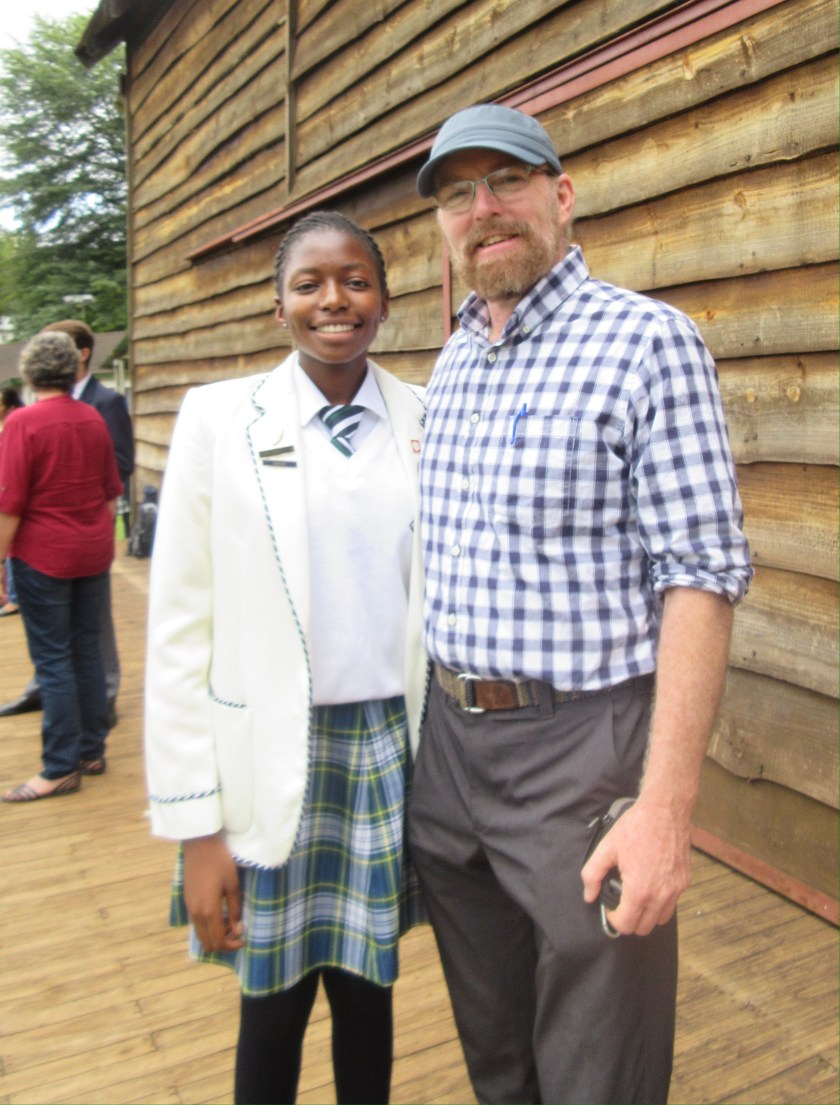 I just watched Mathambo, a girl who came on exchange to Athenian two years ago, receive a couple of awards. She is deputy head girl at Stanford Lake College and when she graduates in eight months is planning to head to a university in the United States.
 Near the end, a student asked about the exchange rate between the US dollar and South African rand. The exchange rate for the rand has come up often in conversation. I briefly explained how exchange rates fluctuate between currencies.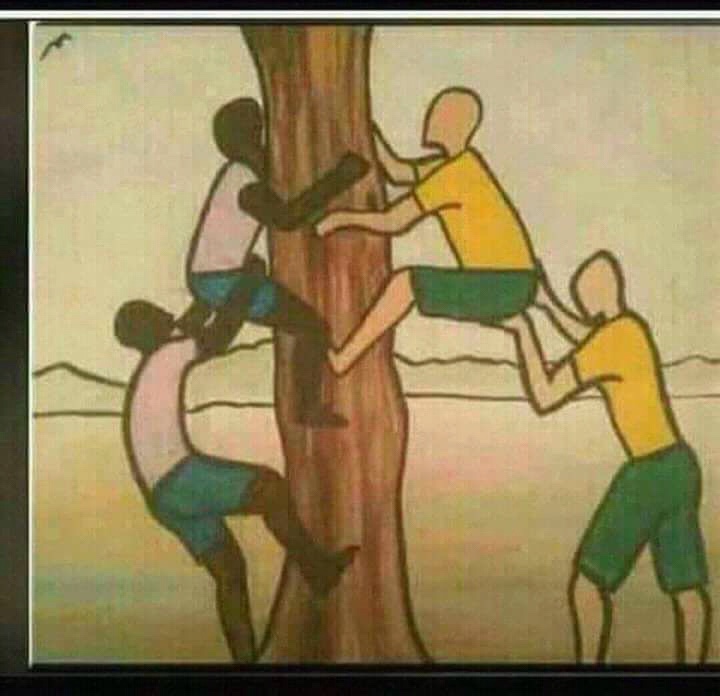
 Part of the reason the parent who is a politician got angry at Claire may be related to the fact that she didn’t involve politicians in starting her school. ‘Who does she think she is starting this school? Who gave her permission to do this? Where did she get the resources for this?’ You might have thought they would be pleased to see a Tswana woman taking initiative in this way, but apparently not.
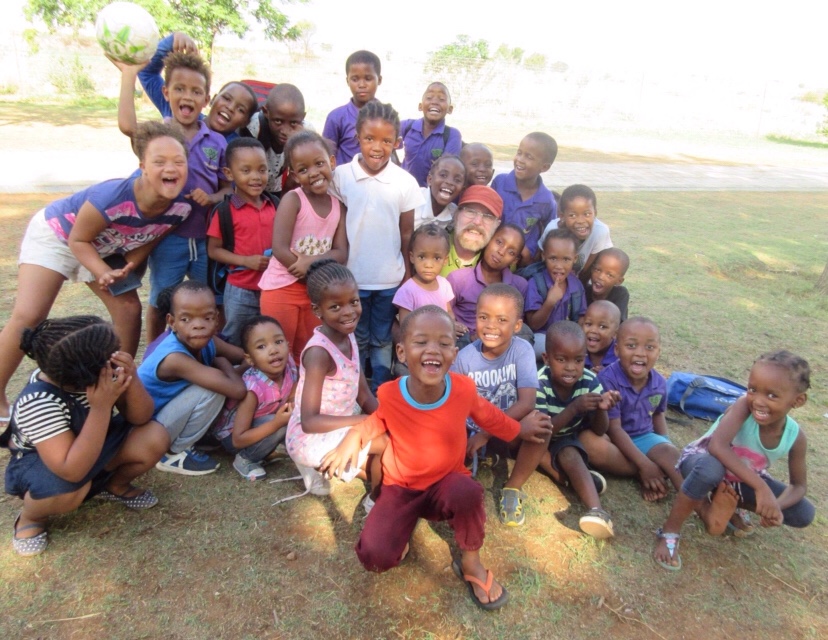 Now I am on the Intercape bus from Vryburg to Johannesburg. Darkness has fallen, broken by streaks of lightning. The movie being shown on the bus? Home Alone with Macaulay Culkin. ‘Run run Rudolph’ sings Saint Louis’s Chuck Berry.
 I am so grateful for my time at Claire’s and KJ’s. It’s the longest I will be anywhere till I get back to Oakland in mid-May. She and her family were so kind to welcome me in and Tshiamelo Inclusive Educational Centre is amazing. Beginning my time here, based in a school serving almost entirely black and coloured students, talking with Claire, has provided me a perspective that will be enlightening when I journey to schools based in white communities.
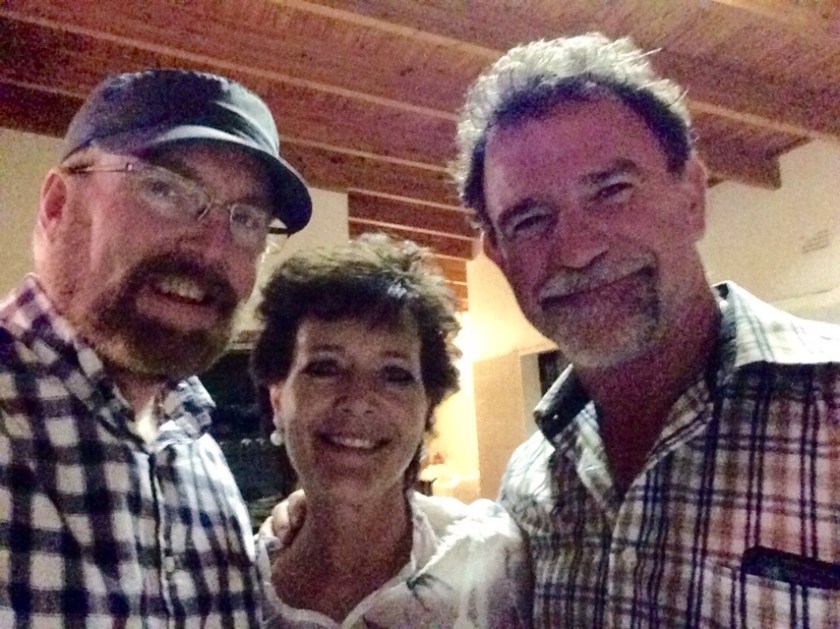

 No Foreign Lands